
Content verified by

What is a cholecystectomy?
A cholecystectomy is the surgical removal of the gallbladder, a small organ that collects and releases bile into your digestive system. As a non-essential organ, it can be safely removed when needed, with bile flowing directly from the liver to the intestines instead.
Our surgeons specialise in laparoscopic (keyhole) cholecystectomy, a minimally invasive technique that uses small incisions and a tiny camera to remove the gallbladder. This approach enhances recovery and reduces the length of your hospital stay compared to open surgery.
Our surgeons perform minimally-invasive keyhole cholecystectomies in adults and children as part of our gastrointestinal surgery services. This service is available for adults at St Thomas’ Hospital, and for children at Evelina London Children’s Hospital.
Experts in gallbladder surgery
Our specialist gastrointestinal surgeons provide:
- short-notice appointments, in as little as 24 hours
- fast access to treatment
- keyhole surgeries for a wide range of gastrointestinal conditions

Why might a cholecystectomy be performed?
We generally use a cholecystectomy to treat symptomatic gallstones or the complications they may have caused. Gallstones are small stones that form in your gallbladder due to a build-up of several substances in bile.
Sometimes, gallstones do not cause any symptoms. However, they can become symptomatic and cause complications like blocking bile flow to the gallbladder (acute cholecystitis) or pancreas (acute pancreatitis).
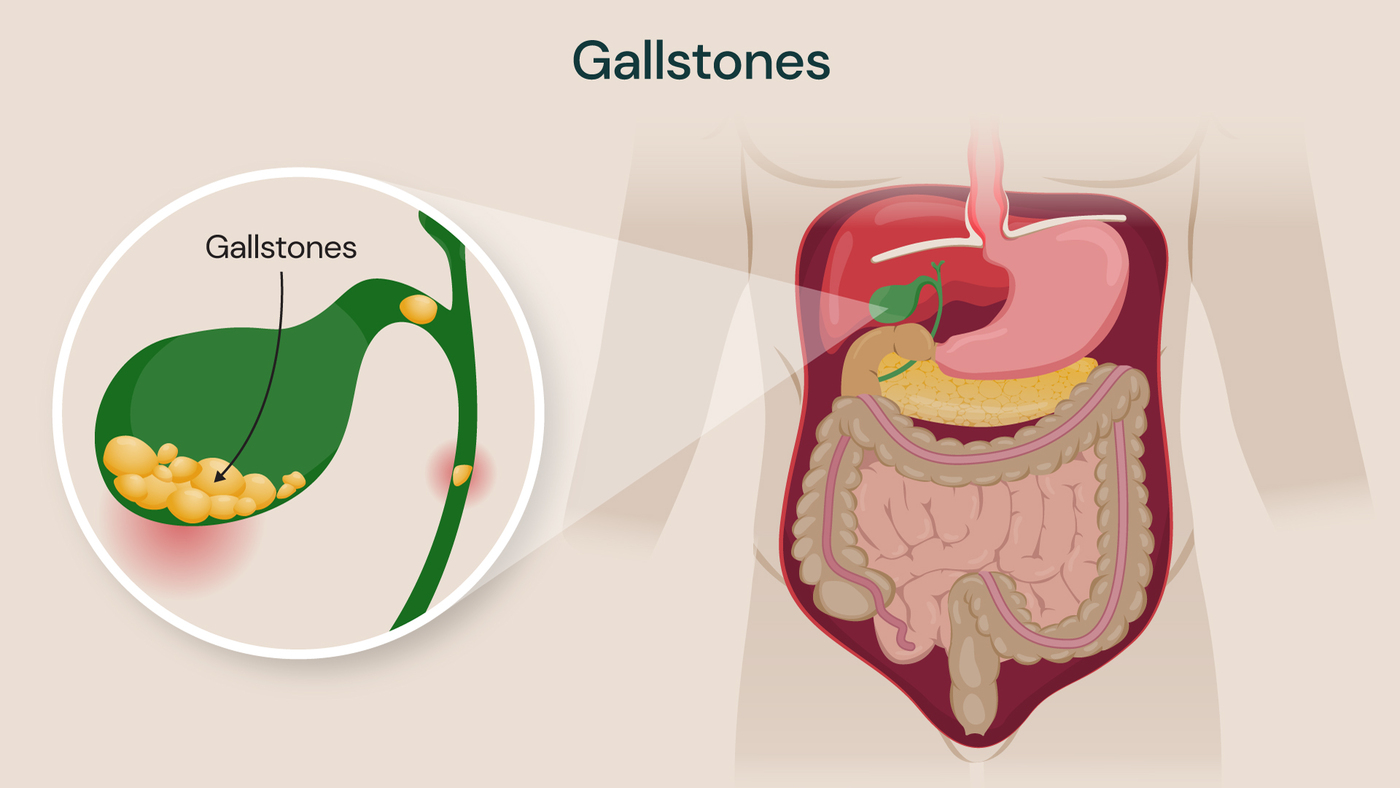
Gallstone complications can cause symptoms like:
- nausea and vomiting
- severe, sudden stomach pain
- yellowing of the skin and whites of your eyes (jaundice)
A cholecystectomy is the most effective way to treat gallstone complications and symptoms.
To learn more about treatment options for gallstones, get in touch with our team.
Preparing for a cholecystectomy
Before any surgery under general anaesthetic, you must stop eating and drinking a few hours before your appointment. We’ll also tell you if you need to stop any medications or adjust your dosage beforehand.
Most people can go home on the same day as their cholecystectomy. However, you must arrange transport as you will not be able to drive due to the anaesthetic.
Preparing for your child’s cholecystectomy
If your child is having the procedure, they must take the day off school and possibly the following few days to ensure they feel well enough to return. You may also want to stock up on pain relief medication to help alleviate any discomfort.
Your child must fast before having general anaesthetic and we’ll confirm how many hours before their procedure this needs to be.
We’ll also inform you of specific preparations for your child’s procedure in advance.
What happens during a cholecystectomy?
We perform cholecystectomies under general anaesthetic, so you’ll be asleep throughout.
During a keyhole cholecystectomy, your surgeon will make several small incisions in your abdomen. They’ll insert a thin, flexible tube with a camera on one end (a laparoscope) into one of the incisions. The camera gives surgeons clear, real-time images of your body’s insides. The surgeon will then insert special surgical tools into the other incisions.
Once the surgical tools are in place, they can remove your gallbladder, close the incisions and take you to your recovery room.
Cholecystectomy in children
We’ll perform your child’s cholecystectomy under general anaesthetic so they’ll be asleep during the procedure.
We use keyhole techniques to enhance your child’s results and recovery, minimising pain and discomfort.
Our dedicated paediatric surgeons will keep your child safe and comfortable throughout their surgery so you can be confident that they’re in capable hands. We want parents to know they made the right choice when they choose our children’s gastrointestinal surgery services.
How long does a cholecystectomy take?
A keyhole cholecystectomy takes between 1 and 2 hours to complete.
Times can vary depending on factors like your overall health and whether we must change our approach to open surgery in the event of rare complications.
What happens after a cholecystectomy?
Once we have completed your keyhole cholecystectomy, the team will take you to the recovery room.
Most people are able to go home on the same day. However, some patients may need to stay overnight, depending on their initial recovery. Your surgeon will advise whether or not you will need to stay in the hospital following the procedure.
What is the recovery time for a cholecystectomy?
A keyhole cholecystectomy typically results in a faster recovery. The reason is the smaller incisions, which heal faster and lower the risk of complications.
Some swelling and discomfort around your wounds are usual. Over-the-counter pain relief should help. You may also experience bloating and diarrhoea as your body gets used to not having a gallbladder. However, the problem usually resolves itself within the first few weeks.
It can take around 2 weeks to recover from your cholecystectomy completely and you should be able to return to most of your everyday activities by then.
Helping your child recover at home
Once we have discharged your child from the hospital, you should make them as comfortable as possible at home. Try to encourage them to eat a regular, healthy diet to get their body used to not having a gallbladder.
If you have questions about your child’s recovery, do not hesitate to contact our team.
Benefits of a cholecystectomy
A cholecystectomy has many benefits, but the main one is treating gallstones and symptoms. You can lead a perfectly normal life without your gallbladder, so removing it may be the best way to alleviate any troublesome symptoms.
The benefits of laparoscopic cholecystectomy are:
- faster, enhanced recovery
- less pain during recovery
- lower risk of complications
- minimal scarring
- shorter time in hospital
Risks of a cholecystectomy
All surgical procedures carry potential risks. However, our team will do everything possible to minimise them during your child’s or your cholecystectomy.
Possible risks of a cholecystectomy include:
- blood clots
- damage to the ducts that carry bile from your liver
- infections in your wounds
It’s important to remember that complications are relatively rare and experts consider keyhole cholecystectomies to be a safe procedure.
If you have additional questions about the treatment or recovery period for you or your child, speak to our team.
Reviewed regularly to reflect clinical best practice
Last reviewed: 18 May 2026
Locations
Our gastrointestinal specialists provide care at the following locations:
Meet our gastrointestinal surgeons
Our gastrointestinal surgeons are experts at performing cholecystectomies in adults and children. We can treat your gallstones and any complications they cause to provide the relief you deserve.