
Authors

Effectively treating angina
Angina is a feeling of pain that can occur when there is not enough blood supply to the heart. In many cases, it can be difficult to treat. Thankfully, our world-leading cardiologists have a range of treatment options available to help alleviate your discomfort.
What is angina?
Angina can be felt in the chest, throat, jaw, and arms when there is an inadequate amount of blood reaching the heart muscle. This is most often caused by coronary artery disease, where the arteries supplying the heart muscle become narrowed or blocked due to a build-up of fatty deposits in the artery wall. However, a shortage of blood supply to the heart can occur even when there is no major narrowing in the heart’s arteries.
There have been great advances in the treatment of angina, such as the minimally invasive insertion of stents. Stents are small tube-like structures that help hold open coronary arteries to increase blood flow to the heart muscle.
However, there are situations where, despite the best available treatments, patients can still experience symptoms of angina. When this happens, they have what is called ‘refractory angina’.
Refractory angina may occur when the narrowed or blocked coronary arteries are too small to treat with conventional stent procedures. This can be particularly true for those with diabetes, where the condition can impair small blood vessels of the heart.
Unfortunately, refractory angina can result in repeat hospitalisation and importantly, leave patients with significantly reduced wellbeing, anxiety and depression.
How is refractory angina diagnosed?
Diagnosing refractory angina can be challenging and requires careful clinical assessment combined with specialist investigation. Due to this, the exact number of patients is unknown. However, estimates suggest there are 30,000 to 50,000 new cases of the condition each year in Europe alone.
Patients are diagnosed with the condition when they have experienced chronic angina-type chest pain for 3 months or more, despite having optimal treatment, which can include medication, the insertion of stents and/or coronary artery bypass surgery.
It is essential to be able to make precise diagnosis of the potential causes of shortage of blood supply to the heart to enable selection of the appropriate treatments to improve angina symptoms.
Alternative treatments are available
Our hospitals are one of only 2 specialist centres in the UK that specialise in the precise diagnosis and treatment of refractory angina in patients with and without narrowed coronary arteries. One of the advanced treatments we offer includes coronary sinus reduction, and we are one of the most experienced centres worldwide in this procedure. Our cardiologists have taken part in major research studies in the field, and are currently leading new research into the use of this device.
An hourglass-shaped stent, called a Neovasc Reducer™, is used to create a narrowing in the main outlet vein collecting blood leaving the heart muscle, called the ‘coronary sinus’. This works to increase blood pressure, helping to re-distribute oxygenated blood towards the areas of the heart muscle that have inadequate blood supply.
“It is a quick, safe and minimally invasive procedure that usually takes less than 60 minutes to complete, with patients often discharged the same day,” explains Dr Ranil de Silva, our consultant interventional cardiologist. “We are very pleased to report that in our very complex cases, we have seen that angina and quality of life improve in around 80% of patients after this treatment.”
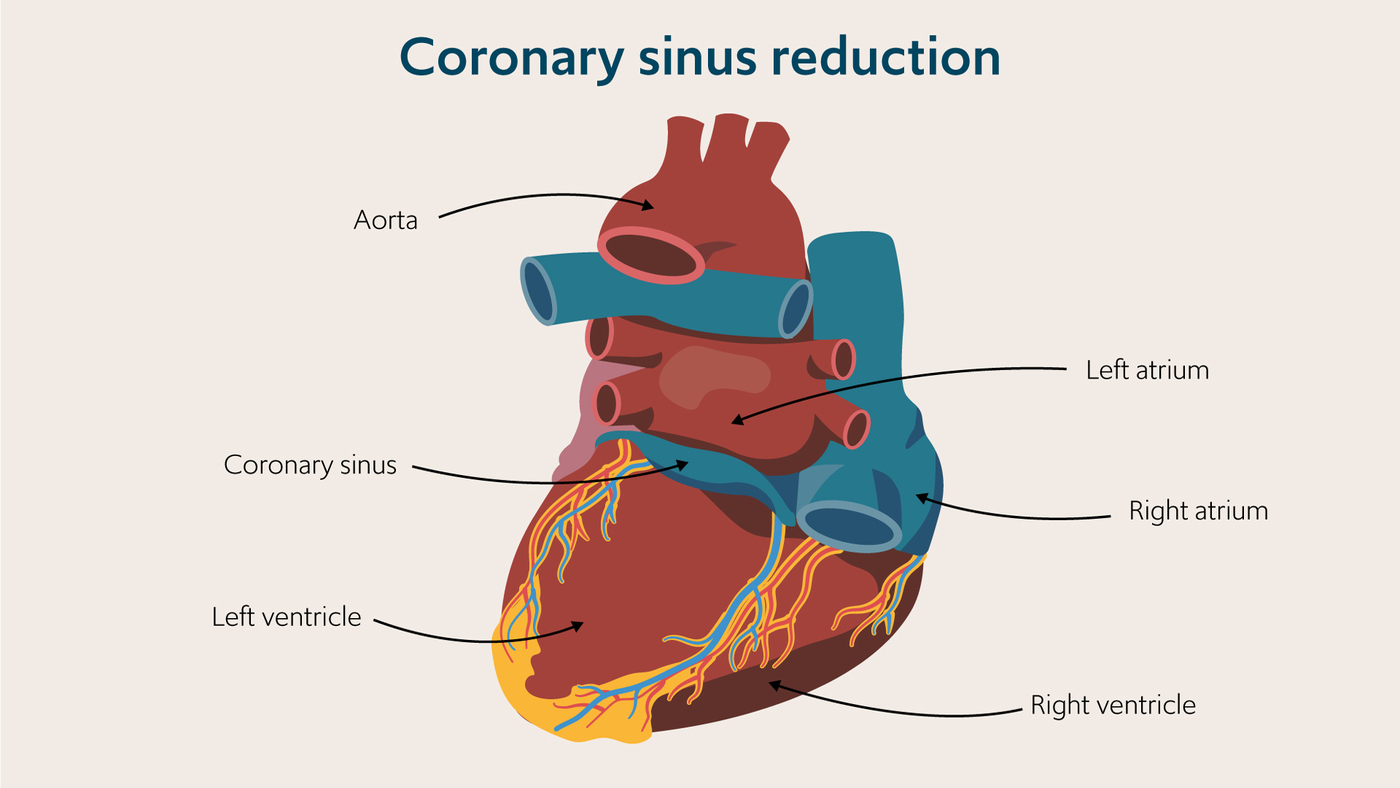
Coronary sinus reduction works to increase blood pressure, redistributing oxygenated blood towards the areas of the heart muscle that have inadequate blood supply.
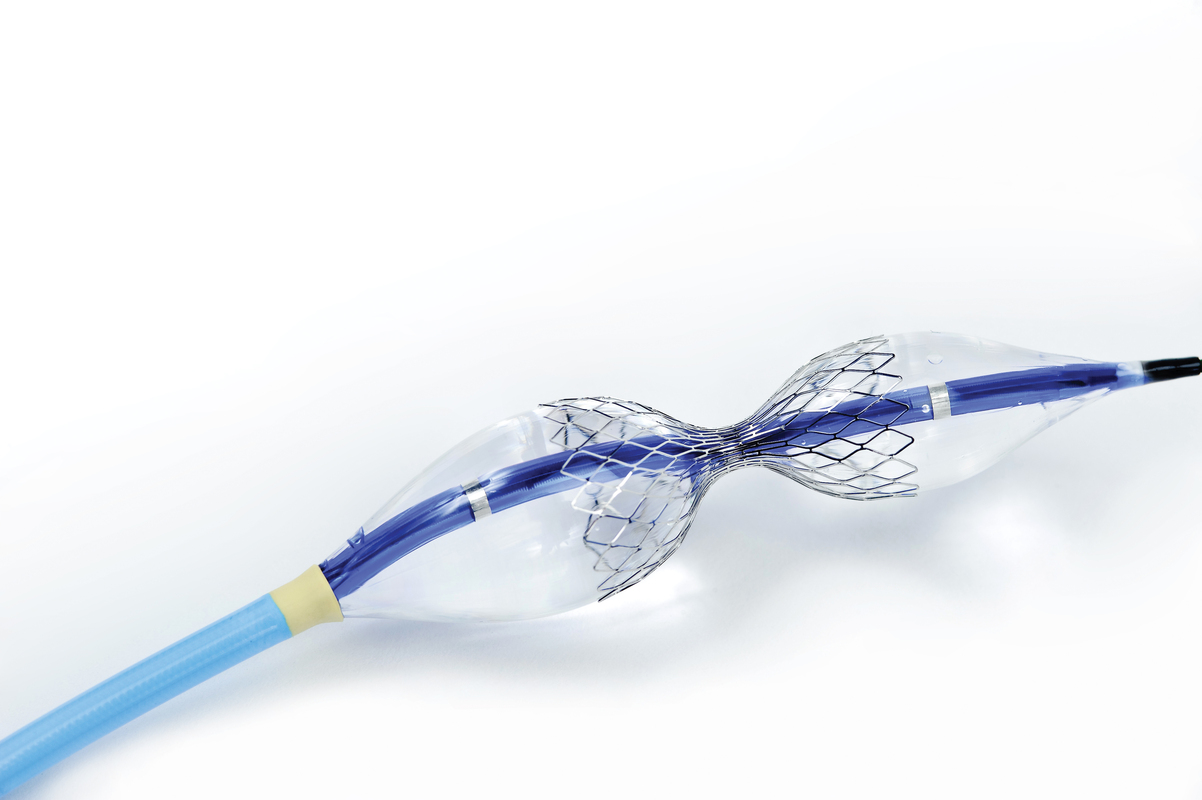
The Neovasc Reducer that is roughly the size of a 10p coin. The Neovasc Reducer System is a trademark of Neovasc Inc. All rights reserved.
Holistic multidisciplinary approach to treatment
Scientific studies have shown that patients with refractory angina can be helped with techniques used for the management of chronic pain, including cognitive behavioural therapy and advanced pain management methods.
Home-based cognitive behavioural therapy programmes have been developed for patients with coronary heart disease which helps patients understand and self-manage their symptoms. This leads them to feel more positive about their own health and achieve the goals that are important for them.
It has been shown to:
- improve mental wellbeing, including anxiety and depression
- reduce symptoms of angina
- reduce glycerol trinitrate use (a treatment for angina)
- improve a patient’s ability to perform daily activities, including daily walking.
The programme is delivered by our nurse specialists and can be supported by clinical psychologists as part of an ongoing interaction with each patient to help improve their quality of life. We also have online consultations available for patients who are unable to attend our hospitals in person.
Reviewed regularly to reflect clinical best practice
Last reviewed: 04 March 2026